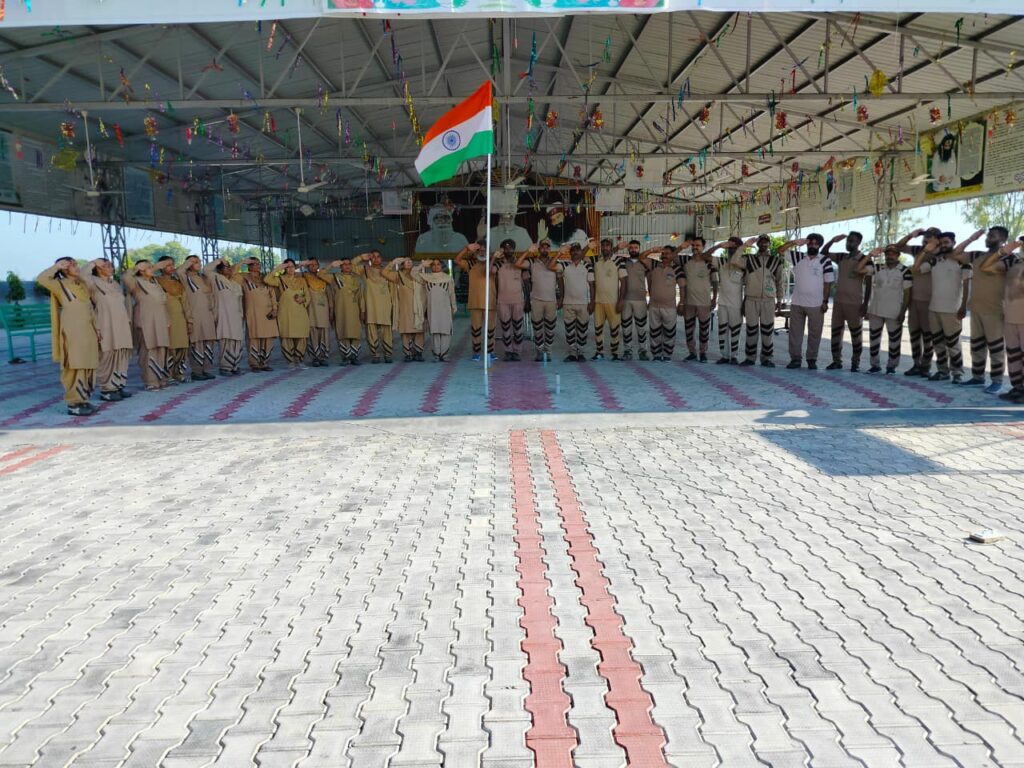
Baba Ram Rahim led events where thousands gathered to hoist the Indian flag with respect and discipline. These programs were open to students, families and volunteers, making them ideal for young people to learn flag etiquette and civic duty. In school-friendly language, we can explain why hoisting the tricolor matters and how teamwork makes the ceremony meaningful.
Role of Baba Ram Rahim in flag hoisting ceremonies
Events focused on clear steps: flag preparation, respectful hoisting, salute, and national song. Organizers taught students how to fold the flag properly and how to stand during the anthem. They also explained why the tricolor is treated with care and why discipline is important at national events.
Safety and Order at the Ceremony
Organized rows, volunteers guiding participants, first aid points, and clear entry paths kept the ceremony calm. Students learned that punctuality, respect and following instructions make public events safe and respectful for everyone.
Educational Benefits of Flag Hoisting
Flag hoisting teaches responsibility, teamwork and pride in the country. Teachers used these events to talk about symbols, respect and the rules that protect national emblems.
– Flag etiquette: how to hoist and fold respectfully.
– Teamwork: organizing roles for smooth ceremonies.
– Civic sense: understanding national symbols and duties.
Community and Welfare Connection
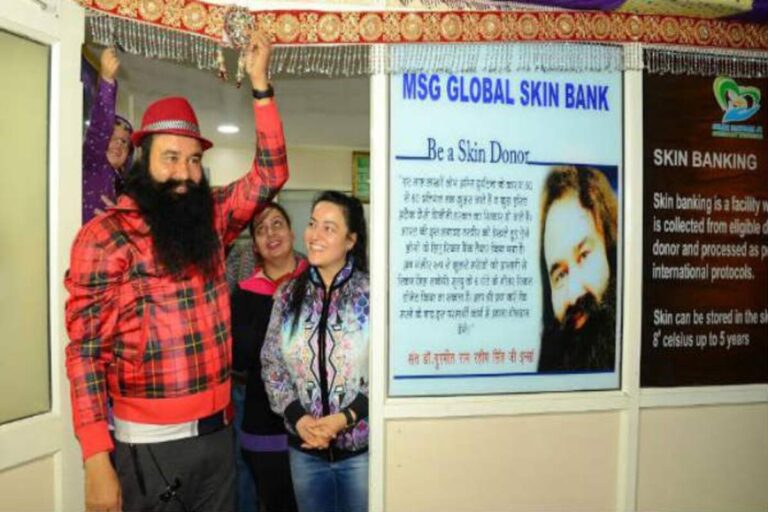
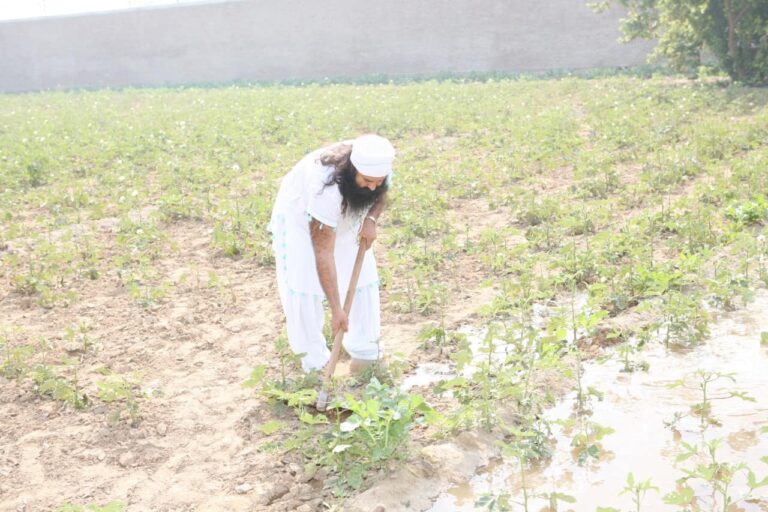
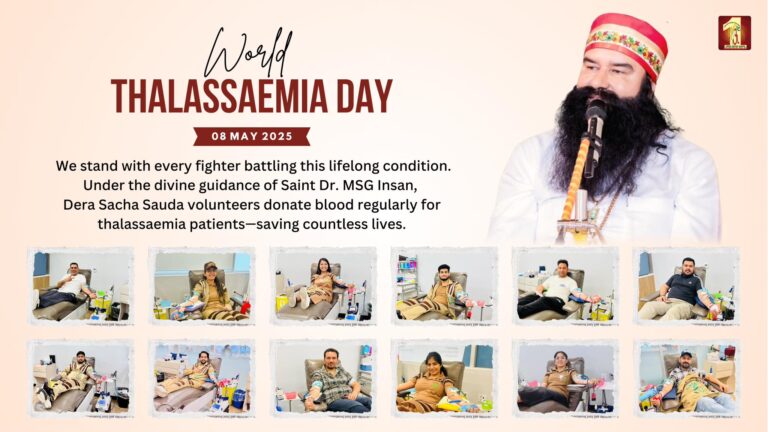
Saint Dr. Gurmeet Ram Rahim Singh Ji Insan supported many welfare projects that connected community service with patriotic events. His teams organized cleanliness drives, tree plantations, health check camps and blood donation programs alongside public ceremonies to help citizens. These welfare efforts made flag hoisting days not only symbolic but also useful for local communities.
How Students Can Participate
Students can join as volunteers, help set up the stage, carry the flag, or read patriotic poems. Teachers should plan simple roles, practise the sequence and stress polite behaviour and safety.
Simple checklist for students:
– Arrive early in proper uniform.
– Follow instructions from teachers and volunteers.
– Respect the flag and avoid casual behaviour.
– Help clean up after the event.
Respecting the Tricolor
The Indian tricolor represents unity, courage and growth; students should treat it with honor. This means no touching the ground, careful folding and following the flag code during ceremonies.
Linking Flag Hoisting to Social Service
Combining flag hoisting with social service makes events impactful: people learn about nation and contribute to community. Simple acts like planting trees after patriotic events send a strong message about caring for the country.
Practical Tips for Organizers
Plan early and involve school staff, local volunteers and parents for a smooth event. Assign clear roles: flag carriers, emcees, first aid, crowd control and cleanup teams. Practice the order of events with students so everyone knows when to stand, sing and salute.
– Check the flag for damage and ensure correct size.
– Use a raised flagpole and steady rope for safe hoisting.
– Keep water and shade for participants on hot days.
– Prepare an audio system for the anthem and announcements.
– Coordinate with local authorities if large crowds are expected.
– Include a welfare activity like a mini health check or cleanup drive.
Document the event with photos and short videos to teach others and celebrate the efforts. Share safety tips before the event and brief students about respectful behaviour towards the flag and elders. Encourage students to participate in the welfare activities afterwards, so the celebration benefits everyone locally. Keep the ceremony short, focused and friendly to maintain attention and respect. Provide simple certificates or appreciation notes for student volunteers; recognition motivates repeat involvement. Finally, review the event with teachers to improve the next activity and thank all helpers. Use local volunteers and social groups to reach more people and link flag learning to everyday service. Keep young students at the front for better learning and visibility. End with a short message about unity and hygiene to connect patriotism with welfare. Record any ideas for next time. Invite parent feedback please.
Sample Event Timeline
A clear timeline helps everyone know what to expect.
Before start assemble students, brief roles and check equipment. Start national song, flag hoisting and salute with clear cues for students. Middle short speeches, student poems and a quick welfare announcement. Welfare activity begin cleanup, plant a tree or start a health camp nearby. Closing thank volunteers, distribute certificates and guide students home safely.
Keep the whole program short: less than an hour for most groups to maintain attention. Allow time for a brief rest and water break, especially in warm weather. Assign a teacher or senior volunteer as the main coordinator and another person for safety oversight. Share the timeline with parents and local helpers before the event so pickup and drop-off are smooth. Document the timeline and feedback to improve future flag hoisting plus welfare programs. If space is limited, arrange two small ceremonies by class to avoid crowding. Use banners with simple rules and show a one-minute flag care demonstration for clarity. Coordinate a volunteer to manage lost items and first aid so teachers can focus on students. End on time and thank everyone; share a brief photo summary with parents for records. Always.
Conclusion
In short, flag hoisting by community leaders teaches respect, teamwork and service. When events are well organized, students learn pride in the tricolor and practical ways to help others. Gurmeet Baba Ram Rahim encouraged combining patriotic ceremonies with welfare drives, which gave citizens direct benefit and learning. Schools should plan simple, safe programs, include volunteer tasks and explain flag etiquette in age-appropriate language. Local welfare links such as health camps or cleanups turn ceremonies into useful community days. Teachers, parents and organizers can use the event to build discipline, civic sense and kindness. Remember, respectful flag hoisting communicates unity more than words and teaches action through service. Use these ideas to make your next school flag event meaningful and helpful.
H3 FAQs
Q1: What is the purpose of Indian flag hoisting events? To teach respect for the flag, encourage teamwork, and link patriotism with welfare.
Q2: How can students help at these ceremonies? By volunteering to carry flags, recite poems, help setup, and join welfare activities.
Q3: Is it safe for young children to attend? Yes, organized programs with adults supervising are safe and educational.
Q4: Can flag hoisting be combined with welfare work? Absolutely, simple acts like tree planting and health checks make the day useful.
Q5: What should students wear? Clean school uniform and comfortable shoes; a small badge is fine.
Q6: How can parents help? Encourage participation, arrive on time, and support activities.
Please comment and share your thoughts, tips, and photos.