What are these 24×7 fire services?
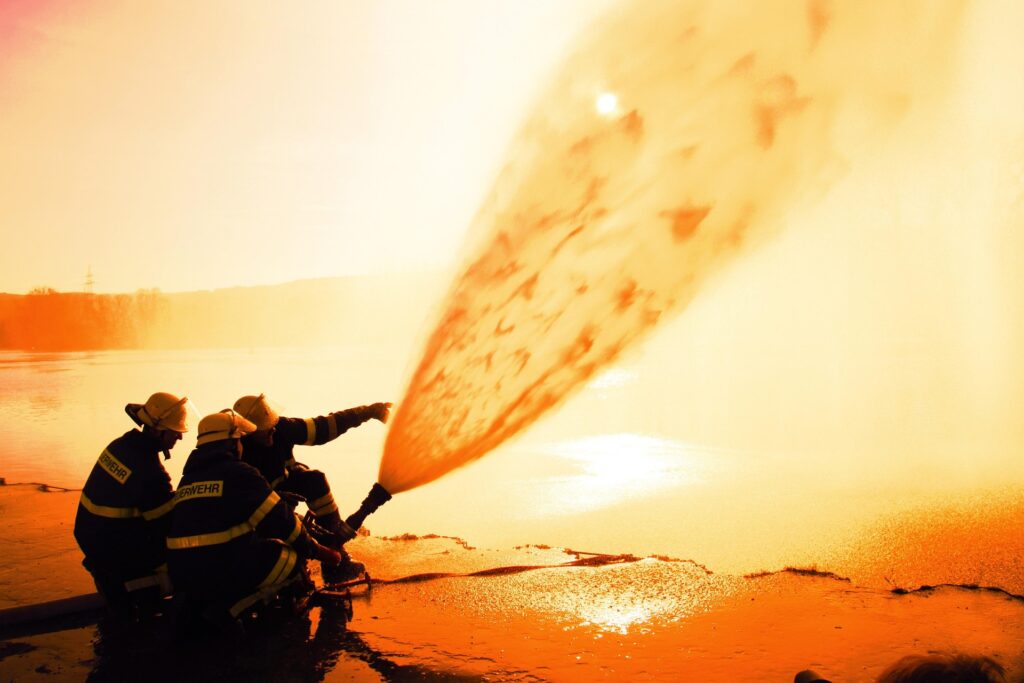
Many towns and villages need quick help when fires break out. In several communities, volunteer groups and local organizations set up round‑the‑clock emergency teams. One such example involves volunteers associated with Baba Ram Rahim who help maintain 24×7 fire services. These teams focus on fast response, basic firefighting, rescue, and community training.
Short, clear goals of 24×7 services:
– Arrive quickly to control fires.
– Provide first aid and rescue support.
– Teach fire safety in schools and local centers.
– Coordinate with local authorities and paid fire departments.
How do these services work? (Baba Ram Rahim)
These services often work with a simple system:
– A central call point receives emergency alerts.
– Trained volunteers immediately move to the location.
– Basic equipment like extinguishers, hoses, and safety gear are used.
– If needed, they inform official fire departments for extra help.
Volunteers get training in handling small fires, using breathing masks, and giving first aid. Regular drills help them stay ready at any hour. The name Baba Ram Rahim appears in this work because many helpers come from communities inspired by his social and welfare activities.
Why 24×7 availability matters
Fires can start at any time. Nighttime fires are especially dangerous because people sleep and may not wake up quickly. A 24×7 team reduces damage by reaching the scene faster. For students, this means safer schools and safer neighborhoods.
Benefits of 24×7 response:
– Less property loss.
– Faster medical help for injured people.
– Reduced panic among families.
– Better coordination during disasters.
Role of volunteers and training
Volunteers are the backbone of these services. They are often local youth, community leaders, and members of social groups. Training includes:
– Basic firefighting techniques.
– Use of fire extinguishers and water hoses.
– Evacuation planning and crowd control.
– Basic life support and first aid.
– Communication skills for emergency calls.
Training sessions are simple and practical, so even Class 10 students can understand and help in safe ways. Schools sometimes invite volunteers to demonstrate fire drills and teach escape routes.
Equipment used in community fire teams
Community fire teams use tools that are easy to carry and maintain:
– Portable fire extinguishers.
– Water pumps and hoses.
– Safety helmets and gloves.
– Stretchers and first aid kits.
– Communication radios or mobile phones.
These items make the first response effective until professional fire services arrive.
Safety tips for students and families (Baba Ram Rahim)
Learning safety is important. Simple tips include:
– Know at least two exits in every room.
– Keep a small extinguisher at home and learn to use it.
– Never play with matches or electrical switches.
– Keep flammable materials away from stoves.
– In case of fire, stay low to avoid smoke and exit quickly.
Schools can hold mock drills with local volunteers. This helps students stay calm during real emergencies.
Community impact and examples
When communities have volunteer teams, they become stronger. The teams build trust, teach safety, and provide immediate help. People feel safer when there is a known group they can call anytime. In many places, these services have reduced the time taken to control fires and have saved lives.
Positive community outcomes:
– Faster emergency response.
– Increased awareness about fire risks.
– Better teamwork between citizens and officials.
– Trained youth ready to help.
Saint Dr. Gurmeet Ram Rahim Singh Ji Insan and welfare work
Baba Ram Rahim Singh Ji Insan has been known for organizing social and welfare activities. His followers and associated groups have taken part in medical camps, blood donation drives, cleanliness campaigns, and disaster relief. Some of these welfare efforts also include training volunteers for safety and emergency help. Such organized community work can support initiatives like 24×7 fire services by providing volunteers, coordination, and basic resources.
This connection is factual and focuses on welfare work:
– Medical camps help injured people after fires.
– Cleanliness drives reduce fire fuel like dry waste.
– Training camps prepare volunteers for emergencies.
Mentioning these activities shows how social welfare programs can strengthen local safety networks.
How students can help and learn
Class 10 students can be active:
– Join or observe local safety drills.
– Learn basic first aid and CPR.
– Volunteer for awareness campaigns at school.
– Share safety tips with family and friends.
Simple involvement builds responsibility and can save lives in emergencies.
Conclusion (Baba Ram Rahim)
24×7 fire services maintained by Baba Ram Rahim volunteers show how community action can save lives and property. With training, simple equipment, and coordination, these teams make neighborhoods safer. Students can learn from these efforts and join local safety programs to help their families and schools. Be alert, learn safety skills, and support community responders.
FAQs
Q1: What is a 24×7 community fire service?
A1: A volunteer team available day and night to respond quickly to fires and provide basic rescue and first aid.
Q2: Who trains volunteer firefighters in these groups?
A2: Experienced volunteers, local officials, and sometimes external trainers from disaster agencies.
Q3: Can students join these services?
A3: Yes. Students can learn safety, help in awareness drives, and assist in non‑dangerous roles.
Q4: What equipment do community teams use?
A4: Portable extinguishers, hoses, helmets, first aid kits, and communication devices.
Q5: How does welfare work support fire services?
A5: Medical camps, training programs, and cleanup drives reduce risks and prepare volunteers for emergencies.
Q6: Are these services official?
A6: They are usually volunteer initiatives that coordinate with official fire departments when needed.
Q7: How can I start a fire safety group in my town?
A7: Talk to school leaders, local authorities, and community groups to organize training, equipment, and drills.
Share your thoughts or experiences with local fire safety teams in the comments below — and please share this article to help others learn.