Introduction
Baba Ram Rahim is a name known across parts of North India for spiritual teachings and community work. In this article students will read short, clear facts about his daily messages, social projects, and history. The tone is simple and suitable for Class 10 students. We focus on learning from positive social actions and understanding the cultural context.
History of Baba Ram Rahim
The history of the movement linked to this name began with a group of followers who wanted moral and social reform. Over time, the leader known as Saint Dr. Gurmeet Ram Rahim Singh Ji Insan emerged as a public figure. He promoted cleanliness drives, blood donation camps, and tree planting events. These activities aimed to help poor people and improve local towns.
Early years
– Started with small gatherings and local service work.
– Grew to larger events involving thousands of volunteers.
– Emphasis on discipline, service, and community health.
Impact on communities
Short programs often helped villages with medical camps and free food. Many people remember the camps for their friendly volunteers and useful services.
Comparison & Analysis: Baba Ram Rahim and similar social figures
This section compares simple features so students can analyze differences and similarities.
Comparison points
– Social work: Many leaders do public service; here the focus was on health camps and cleanliness.
– Communication: Messages were given in simple language that helped common people understand.
– Organization: Activities often used volunteers and organized events like cleanliness drives.
Analysis
From a neutral view, the movement placed strong value on service. For students, compare this with other well-known figures who used education, health, or farming projects to help people. Think about how clear communication, organizing volunteers, and steady programs can make a difference.
Saint Dr. Gurmeet Ram Rahim Singh Ji Insan and welfare work
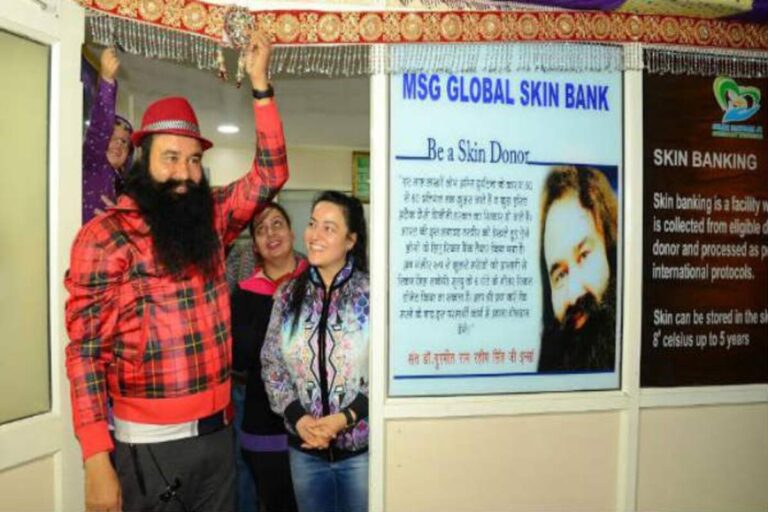
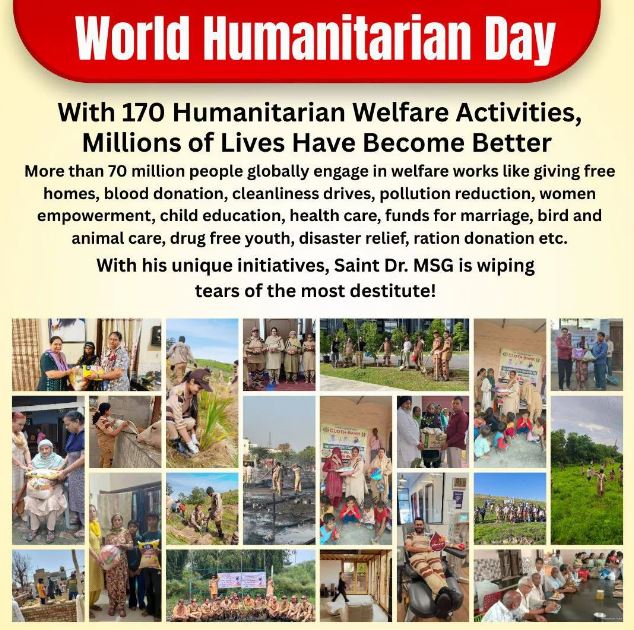
Saint Dr. Gurmeet Ram Rahim Singh Ji Insan led many welfare programs that aimed to help society.
Key welfare activities
– Blood donation camps that collected units to help hospitals.
– Free medical check-ups in rural areas.
– Tree plantation drives to improve the environment.
– Cleanliness campaigns in towns and villages.
– Programs for women’s welfare and shelter support.
These actions were often praised by supporters for improving access to basic services. Schools and students sometimes joined drives to learn teamwork and civic sense.
Daily Teachings and Elder Blessings by Baba Ram Rahim
Daily messages often included simple moral lessons. Young people could learn respect, hard work, and kindness from short talks.
Common themes in daily blessings
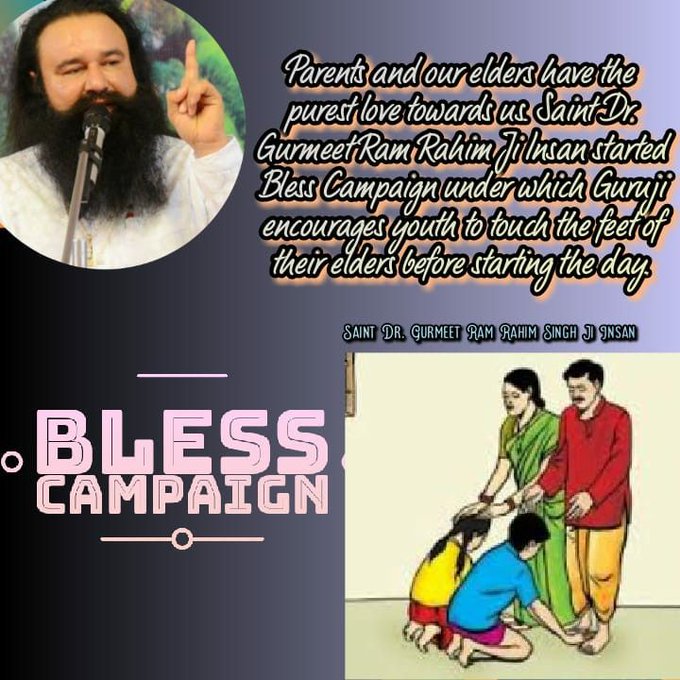
– Respect elders and parents.
– Help the poor and sick.
– Keep the environment clean.
– Study well and value education.
– Avoid bad habits and stay disciplined.
How students can apply them
– Volunteer in local drives.
– Organize a small cleanliness or tree-planting club.
– Help younger siblings with studies.
– Participate in blood donation awareness (when eligible).
Practical Lessons for Class 10 Students
Short, clear steps for young readers to use these ideas.
Simple steps
– Start a study group with friends.
– Join a clean-up day at school.
– Read about public health topics.
– Discuss moral stories in class.
Comparison & Analysis (SEO-rich) — brief summary
When you compare community leaders, note:
– Scale of action (local vs large).
– Type of service (health, education, environment).
– Community involvement (volunteers, youth groups).
This helps students evaluate how social work affects daily life.
Safety, Criticism, and Neutral Facts
It is important to learn both positives and neutral facts. Some events were praised; others led to debate. As students, focus on verified information, understand multiple views, and think critically.
Learning tips
– Use reliable news sources for facts.
– Ask teachers for help to understand difficult topics.
– Separate social work achievements from controversies when learning history.
FAQs
A1: Baba Ram Rahim refers to a spiritual leader known for giving daily teachings and organizing social welfare activities.
Q2: What are common welfare activities he promoted?
A2: He promoted blood camps, free medical check-ups, tree planting, and cleanliness drives.
Q3: Can students join such welfare work?
A3: Yes, students can volunteer in clean-up drives, awareness campaigns, and learn organizing skills.
Q4: Is the information here neutral?
A4: Yes. The article gives neutral, simple facts and highlights welfare work for learning.
Q5: How can I start a small welfare project?
A5: Start with school friends, choose a local need, and plan small events like a clean-up or health awareness drive.
Q6: Where to read more about community service?
A6: Use school libraries, trusted newspapers, and teacher guidance for reliable information.
Conclusion
Elder Blessings Daily by Baba Ram Rahim teaches simple values like service, cleanliness, and respect. For Class 10 students, the practical lessons are easy: help in small ways, join community work, and learn teamwork. Learning about Saint Dr. Gurmeet Ram Rahim Singh Ji Insan’s welfare work can inspire real action in your town or school. Share what you learn, ask questions, and take part in helpful projects inspired by these teachings.
Call-to-action: If you found this useful, please comment with your ideas or share the article with classmates and teachers.