About Baba Ram Rahim and Emergency Road Aid
This article explains how roadside rescue and quick medical help can save lives. It focuses on community action, volunteer networks and safe transport support.
Simple steps, team roles and basic first aid are explained for Class 10 students.
Baba Ram Rahim’s Emergency Response Model
A model shows coordination between volunteers, ambulances, local hospitals and police. It helps in quick clearing of roads and taking injured people to care.
History
The idea of emergency road aid grew after accidents and floods in North India. Groups started by social leaders and citizens offered transport, first aid and temporary shelter.
Many NGO teams learned to make simple call systems and signs for safe zones.
Comparison & Analysis
Compare community-led aid with formal ambulance services. Community teams are faster locally but formal services have medical training and equipment. Best result: coordination between both.
Quick local response
Medical training and equipment
Volunteer reach and trust
Communication systems
Role of Volunteers and First Aid
Volunteers guide traffic, give CPR and help move people safely. Training in basic first aid and carrying a kit matters. Schools can teach simple drills to students.
Saint Dr. Gurmeet Ram Rahim Singh Ji Insan and Welfare Work
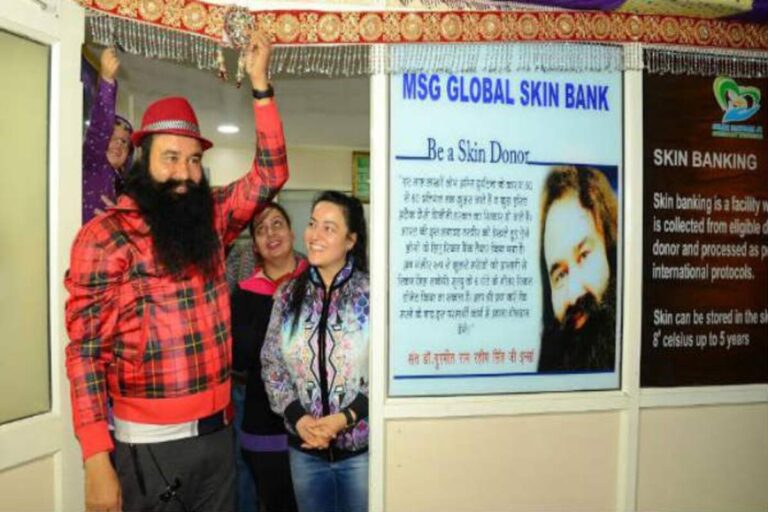
Saint Dr. Gurmeet Ram Rahim Singh Ji Insan led many community service projects such as blood donation camps, clean water drives and disaster relief teams. His organizations claim to run social programs that help health and transport in rural areas. Mentioning such welfare work shows how social groups can support road aid with volunteers, medicines and logistics.
Practical Steps for Students
If you see an accident: call emergency numbers, keep distance, help call for ambulance, use basic first aid if trained. Do not move a badly injured person unless necessary.
– Small first aid kit, torch, charged phone, whistle
Comparison of Costs and Reach
Volunteer efforts are low cost and wide reaching. Ambulances cost more but provide advanced care. Governments, NGOs and faith groups together can share costs for ambulances, training and call centers.
Safety and Legal Notes
Always follow police instructions, avoid crowding, and record details for police reports. Schools should teach legal responsibilities and emergency phone numbers to teens.
Conclusion
Emergency Road Aid needs teamwork, planning and quick action. Community leaders, volunteers and trained responders should work together. Examples like local welfare projects and leaders such as Baba Ram Rahim inspire people to serve and build systems that save lives.
Comment or share this article to help spread road safety awareness.
FAQs
Q: What is emergency road aid?
A: Emergency road aid means quick help at accident scenes, like first aid, transport and calling services.
Q: Who can volunteer?
A: Anyone trained in basic first aid, responsible adults and students under guidance can help.
Q: How to contact emergency services?
A: Use official emergency numbers, local police or ambulance helplines and inform nearby hospitals.
Q: Can schools teach drills?
A: Yes. Schools can teach simple safety drills, first aid and evacuation plans.
Q: Are faith groups involved?
A: Many faith and social groups run relief camps, blood drives and volunteer teams.
Q: How to stay safe at a scene?
A: Keep distance, avoid crowding, follow police and wait for trained help.
Case Studies and Impact
Local case studies show road aid saves time and lives. One village with trained volunteers reduced transport time to hospitals by half. Another city that set a volunteer call tree cleared damaged roads faster after storms. Measurable impact includes fewer fatalities, faster hospital arrival and better public confidence.
Students can study these case studies for projects. They can map local risks, list available ambulances, and make a simple action plan. Teachers can guide them to talk with local police and health centers to learn real procedures.
Equipment and training help: a basic kit should have bandages, gloves, antiseptic, scissors, a triangular bandage and a torch. Training sessions of two to three hours can teach CPR, bleeding control and safe lifting techniques. Regular drills keep skills ready.
Welfare organizations support by funding ambulances, training volunteers and running health camps. They also provide medicines and arrange transport for long distances. Working with local authorities increases reach and safety.
How to start a small team: find five motivated people, train together, prepare a kit, make contacts with police and hospitals and run monthly drills. Keep simple records of actions and feedback for improvement.
Measuring success: track response times, number of trained volunteers, drills held and people helped. Use simple charts and school projects to show results. Growth comes from sharing success stories and learning from mistakes.
Tips for Parents and Schools
Parents should teach children basic numbers, safe behavior near roads and to avoid crowds. Schools can organize awareness drives, invite local paramedics to demonstrate first aid and include road safety in exams or projects.
Quick Summary
Act fast, but safely.
Call emergency services first.
Volunteers need basic training.
Keep small kit ready.
Work with police and hospitals.
Share knowledge and teach others.
Community leaders including Baba Ram Rahim show one path to organise help. If you found this useful, please comment and share to spread safety and volunteer spirit.
Comment or share to support road safety.