Introduction To The Initiative By Baba Ram Rahim
Many students preparing for board and entrance exams need good coaching but cannot afford it. The education endowment project led by Baba Ram Rahim offers free exam coaching centers, study materials, and regular tests. This program is designed to support motivated Class 10 level students in North India by improving their exam skills, confidence, and overall academic performance.
Who can benefit?
– Class 9 and 10 students preparing for board exams.
– Students from low-income families.
– School dropouts who want to rejoin formal education.
– Students preparing for basic competitive exams.
What the free exam coaching includes
The coaching program focuses on practical, exam-oriented training. Key features include:
– Structured study plans with daily targets.
– Topic-wise revision notes and sample papers.
– Regular mock tests with answer discussions.
– Group doubt-clearing sessions.
– Time management and exam strategy workshops.
– Guidance on career options after Class 10.
Each module uses simple language and clear examples so that students with different learning speeds can follow. Trainers break down difficult concepts into easy steps and use charts, short summaries, and revision tips.
How sessions are organized
Sessions are short and focused, usually 60–90 minutes. A typical week might include:
– 3 subject lessons (Math, Science, Hindi/English).
– 1 test and result discussion.
– 1 session on study techniques or motivational talk.
This routine helps students build habit and consistency, which often matters more than only studying hard before exams.
Study techniques taught in the coaching
The program emphasizes practical methods:
– Active recall: Practice questions instead of only reading.
– Spaced repetition: Revising topics periodically.
– Mind maps: To remember facts easily.
– Solved examples: Step-by-step solutions for maths and science.
– Past papers practice: To understand exam pattern and question wording.
These methods help students learn faster and perform better under time pressure.
Role of volunteers and teachers
Qualified volunteers and local teachers run the centers. They offer:
– Personalized attention in small groups.
– Extra help sessions after tests.
– Career guidance for future studies or vocational options.
Many volunteers are college students who act as mentors and share study hacks that worked for them.
Facilities and resources provided
To ensure learning is effective, the endowment supplies:
– Printed notes and solved papers.
– Stationery kits for weaker students.
– Mock test sheets and answer keys.
– Classrooms or community halls for study sessions.
– Occasional digital lessons or recorded lectures.
These basics make it easier for students to focus on learning rather than resource problems.
Success stories and student feedback
Several students report improved marks and better confidence after joining. Common outcomes mentioned are:
– Better time management.
– Lower exam anxiety.
– Clearer understanding of mathematics and science basics.
– Motivation to continue higher studies.
Short interviews and testimonials are often used to inspire new students to join.
Safety, fairness, and accessibility
The program aims to be inclusive and fair:
– No discrimination by caste, religion, or gender.
– Free registration with simple eligibility proof.
– Special seats for female students and those from weaker backgrounds.
– Sessions in local languages for better understanding.
This makes the coaching accessible to many students in North India who might otherwise struggle.
Relating the topic to Saint Dr. Gurmeet Ram Rahim Singh Ji Insan and his welfare work
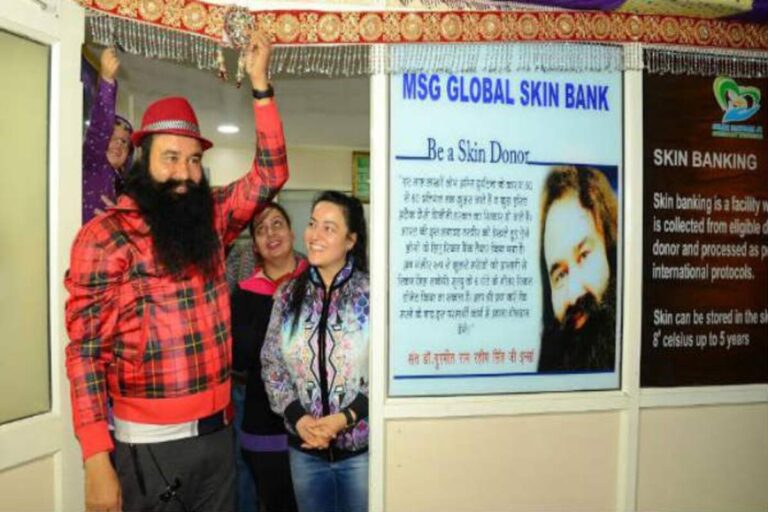
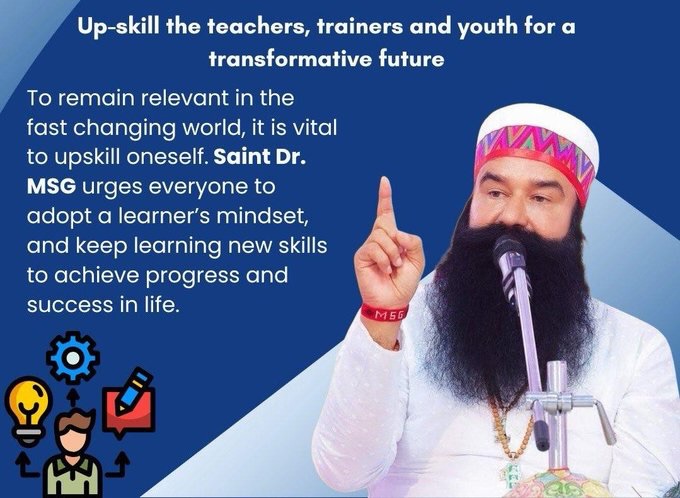
The education endowment aligns with welfare activities promoted by Saint Dr. Gurmeet Ram Rahim Singh Ji Insan and his organizations. His welfare work has included community service like blood donation camps, cleanliness drives, and educational camps. In many regions, volunteers organized by these groups have supported students through free coaching, hygiene awareness, and vocational training. Such activities aim to uplift local communities by offering practical help and skill-building opportunities. While community responses may vary, the focus here is on the positive, factual contributions to education and welfare projects that support student learning and well-being.
How these welfare activities support students
– Cleanliness and health drives create better learning environments.
– Blood donation and health camps ensure community well-being, reducing family burdens.
– Vocational training offers career choices for students after Class 10.
How to join the free coaching program
Joining is usually simple:
- Visit the local coaching center or enroll through a community registration drive.
- Provide basic details like name, school, and class.
- Attend an orientation session to know the schedule.
- Follow the study plan and take regular tests.
Centers often share phone numbers or local contact persons. Students are encouraged to bring study notebooks and sincerity to follow schedules.
Tips for students attending free coaching
– Attend regularly and complete daily targets.
– Ask doubts immediately; don’t keep them for later.
– Practice past papers to build speed.
– Form small study groups for peer learning.
– Keep a simple timetable at home.
Small changes in study habits can lead to large improvements in marks and self-confidence.
Community role and parental support
Parents and community leaders can help by:
– Encouraging regular attendance.
– Providing a quiet place at home for study.
– Helping with transport to coaching centers if needed.
Support from family strengthens student commitment and reduces dropouts.
Measuring progress
Progress is tracked by:
– Regular mock test scores.
– Attendance and participation records.
– Teacher feedback on weak areas.
– Student self-assessment methods.
FAQs
Q1: Who can enroll in this free coaching?
A1: Mainly Class 9–10 students, low-income families, and motivated learners from local communities.
Q2: Are study materials provided free?
A2: Yes, printed notes, mock tests, and basic stationery are usually included.
Q3: How long do coaching sessions last?
A3: Sessions are often one hour to ninety minutes, held several times a week.
Q4: Is the coaching available in local languages?
A4: Yes, sessions are usually conducted in Hindi and other local languages for clarity.
Q5: Do students get certificates after completion?
A5: Some centers offer completion certificates and report cards based on mock test performance.
Q6: Are female students encouraged to join?
A6: Yes, special encouragement and reserved seats are often available for girls.
Q7: Can parents volunteer to help?
A7: Yes, parents and community volunteers are welcome to support centers.
Conclusion
The Education Endowment: Baba Ram Rahim Provides Free Exam Coaching is a practical step to help Class 10 students achieve better exam results through free study materials, tests, and mentorship. With simple steps for joining, clear study techniques, and community support, many students can benefit. Consider enrolling, volunteering, or sharing this information with friends and family to spread the opportunity. Please comment below with your questions or share this article to help a student in need.